

People are done buying disposable. The everyday carry pieces that used to get replaced every season are getting replaced once, and then kept.
That shift is what's driving the rise of sustainable wallets and tote bags in 2026. It is not about marketing. It is about the math. One bag that lasts five years beats five bags that last one. One wallet that holds up beats three that fall apart.
The numbers back this up. Sustainability-marketed products now hold 25.4% of consumer dollar share, up from 14.6% in 2013, and they grew 2.7x faster than conventional products over that span, according to the NYU Stern Center for Sustainable Business and Circana. The shift is not coming. It is here.
The pieces people carry every day matter most because they get the most use. A wallet, a tote, a wristlet; these get pulled out, dropped, jammed in a backpack, set on a counter. The ones that survive are kept. The ones that don't are trashed.
That is the lens we design through. Carry less. Carry better. Replace less often.
Sustainability as a Core Priority in 2026

The questions people ask before buying have changed.
How long will it last? What is it made of? Will the zipper hold up after a few months? Will the elastic stretch out?
The bar is higher than it used to be, and everyday carry pieces that used to coast on looks alone do not pass the check anymore. Recent GlobeScan data shows 49% of Americans purchased an environmentally friendly product in the past month, up from 43% the year prior. That kind of movement is not a trend cycle. It is a baseline shift.
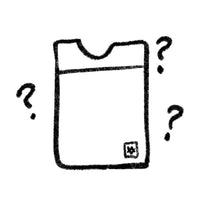
This is why slim, lightweight options like the Elastic Wallet keep gaining ground. The signature tight-knit elastic holds 2 to 8 cards snug and secure, the keyring clips to lanyards or keychains, and there is no bulk to break down. It works. Daily. For years.
That kind of reliability is the actual sustainability story. The product that does not need replacing is the most sustainable one in the room.
The shift toward buying less but better
Less stuff, better stuff. That is the move.
People are walking away from the cycle of cheap everyday items that stack up in drawers and end up in the trash. They are picking the one piece that earns a permanent spot in the rotation. It cuts clutter, simplifies the morning, and quietly takes pressure off the landfill.
The willingness to invest is there too. PwC research found consumers are willing to pay an average of 9.7% more for sustainably produced goods, even in a cost-of-living squeeze. The price tolerance exists when the product earns it.
A Vertical Leather Wallet is a good example. Signature leather on the outside, tight-knit elastic, and an interior pocket built with RFID-blocking tech. It slims down what you carry without skimping on what it does. Pair it with a tote and you have a system, not a pile of stuff.
That consistency is what makes sustainable carry work in the real world. Small, steady choices. No big overhaul required.
The Role of Materials in Wallets and Tote Bags That Last

Material choice is half the durability story.
Tight-knit elastic that grips cards without losing shape. Signature leather that breaks in instead of breaking down. Water-resistant crinkle nylon that handles weather, spills, and travel without flinching. These are the materials Thread® builds with because they hold up to daily use.
The Utility Tote Bag runs on that crinkle nylon. It has 6+ pockets, a padded laptop sleeve, an internal water bottle holder, and a multi-handle carry system. It goes from work to the airport to the beach without showing wear. That is the spec sheet. That is the carry life.
Material technology built for daily wear
Stitching matters. Hardware matters. Construction matters. The wallets and totes worth keeping are the ones built with all three in mind.
Reinforced seams, structural elastic, sealed edges on leather, dense weaves on nylon. These are the choices that turn a one-season piece into a five-year carry. NIST research on product longevity found that a 50% increase in a product's life expectancy reduces its environmental impact by roughly 33%. Built-to-last is sustainability with the receipts.
Thread® designs around that idea. Function first, longevity baked in.
The Rise of Tote Bags in Daily Life

Tote bags as everyday essentials
The tote replaced the second bag, the third bag, and the disposable bag.
One tote handles the commute, the gym detour, the grocery run, and the weekend trip. Work Totes cover the office-to-everywhere day, while Travel Totes slide under an airplane seat for the weekend trip. That kind of versatility is why people stopped switching bags throughout the day. Pick the one that does it all and stick with it. For hands-free days when a tote is more than you need, a water bottle sling bag covers the same logic in a smaller footprint.That single decision quietly removes a lot of waste from the picture. No more grabbing plastic at checkout. No more cycling through cheap shoulder bags every six months.
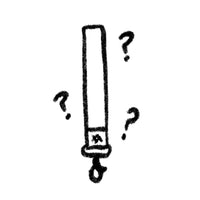
When the tote is paired with a Wristlet Keychain holding your keys and Thread® Wallet, the whole system tightens up. Less digging, less searching, less stuff.
Minimalist design driving tote popularity
The totes winning right now are not the ones with the most features. They are the ones with the right ones.
A clean exterior, the pockets that actually get used, a strap that holds up. The Utility Tote nails that balance. Six pockets where they need to be, water resistance for the real world, and a shape that works whether you are carrying a laptop or a beach towel. For sand-and-water days specifically, Beach Totes shake out and wipe down after the beach.
Add a Wristlet Lanyard and the small stuff stops disappearing into the bottom of the bag. Keys stay clipped. Wallet stays close. Done.
Ethical Design and Long-Term Carry
Buyers are paying attention to how things are made, not just what they look like. Construction quality, durability, and a brand's track record all factor into the buying decision now. NYU Stern Center for Sustainable Business research shows 74% of consumers say they are more likely to choose a product if the company practices sustainability, and that number climbs to 78% among Gen Z.
A wallet that lasts five years means four wallets that did not get manufactured. A tote that holds up for a decade means a stack of disposable bags that never had to exist. Durability is the quiet form of sustainability that does the most work.
Built to last replaces built to replace
Fast fashion everyday goods are designed to be cycled out. New season, new bag, repeat.
Wallets and totes built for the long haul flip that script. They earn their spot through use, not novelty. The longer something stays in rotation, the better the math gets, for the buyer and the planet.
That is the standard at Thread®. Build it once, build it right, build it to keep getting carried.
Market Growth and Demand for Durable Everyday Carry
The shift toward longevity
Buyers are voting with their wallets, literally. Everyday carry that holds up is gaining ground. Everyday carry that does not is getting cut. The global sustainable products market is projected to grow from $412B in 2026 to $804B by 2035, a 7.7% annual clip. The dollars are following the demand.
This is most obvious in the pieces people use every day, where performance is felt. A wallet that frays after a month is gone. A tote that splits a strap is replaced and remembered. The bar keeps rising, and that is good for everyone.
How online shopping changed the game
E-commerce gave buyers full visibility. Material specs, real reviews, photos showing wear over time, side-by-sides from people who have actually used the product for a year.
That transparency rewards brands that ship what they promise. It punishes the ones that do not. Thread® product pages list materials, dimensions, capacity, and care because that is what serious buyers look for before clicking add to cart.
The Future of Wallets and Tote Bags in 2026 and Beyond

Continued innovation in materials and design
Expect lighter materials, stronger seams, smarter pocket layouts. Not flashy features for the spec sheet, but real upgrades that show up in daily use.
The goal is not more. The goal is better. Refining what already works so it works longer.
A long-term shift in how people carry
The bigger picture is that everyday carry is moving from disposable to durable. People want fewer pieces, picked carefully, used hard, and kept.
Wallets and totes are at the front of that shift because they are the pieces that get used most. Build them right, and they stay in rotation for years.
The Sustainable Conclusion
Sustainable wallets and tote bags are trending in 2026 because the standard has changed. Buyers want fewer, better, longer-lasting pieces that fit into how they actually live.
Thread® designs everyday carry essentials with that in mind. Slim wallets that hold their grip. Totes that handle the real world. Pieces built to keep getting picked up, day after day.
Carry less. Carry better. Keep it longer.
FAQ
Why are durable wallets gaining popularity in 2026?
Buyers are tired of replacing the things they use every day. Wallets that last years instead of months mean less waste, less spend, and less hassle. Slim, functional designs match how people live now, with fewer cards, more digital payments, and a bigger focus on minimal carry.
What makes a wallet or tote actually built to last?
Material quality and construction. Tight-knit elastic that holds shape, signature leather that breaks in over time, water-resistant nylon that handles weather. Reinforced stitching, dense weaves, and thoughtful design all extend the life of a piece.
Are slim wallets a better fit for daily carry than traditional ones?
For most people, yes. A slim wallet like the Thread® Elastic Wallet or Vertical Leather Wallet pockets cleanly, holds 2 to 8 cards, and skips the bulk of a traditional bifold. Cards are easy to access, and there is no excess space to fill with stuff you do not need.
Why are tote bags replacing other everyday bags?
One tote covers work, errands, travel, and weekends. The Thread® Utility Tote runs on water-resistant crinkle nylon with 6+ pockets, a laptop sleeve, and a water bottle holder. That kind of range means one bag instead of three, which cuts down on what gets bought, used, and tossed.
How does Thread® approach sustainable everyday carry?
By building wallets and totes that hold up. The longer a product stays in daily rotation, the smaller its footprint becomes. Thread® focuses on function-first design, durable materials, and pieces meant to outlast trends, not feed them.


